Evaluating the Eye Rolling Emoji Procreate Brush Stamp for Digital Illustration
In the evolving landscape of digital illustration, efficiency often dictates the pace of creative output. For artists working within the Procreate ecosystem on iPad or utilizing Procreate Pocket on iPhone, the ability to insert complex visual elements without breaking workflow momentum is a significant advantage. The Eye Rolling Emoji Procreate Brush Stamp represents a specific tool designed to address this need. It allows users to place a stylized representation of an eye-rolling expression instantly, serving as a functional asset rather than just a decorative one. Understanding where this resource fits within a broader toolkit requires looking beyond its immediate utility to consider its role in composition, style consistency, and time management.
Defining the Utility of the Eye Rolling Emoji Procreate Brush Stamp
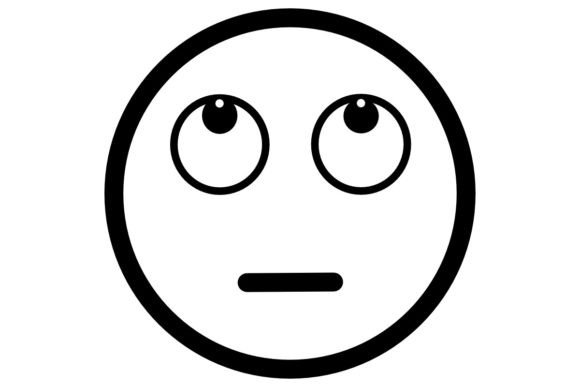
The core function of the Eye Rolling Emoji Procreate Brush Stamp is straightforward: it acts as a pre-rendered stamp that places a specific graphic onto the canvas with a single tap. Unlike standard drawing brushes that require stroke manipulation, pressure sensitivity control, and manual detailing, a stamp brush delivers a consistent image every time. This distinction is crucial for artists who need to maintain uniformity across multiple designs or those who are constructing scenes populated by characters expressing specific emotions.
What makes this particular brush distinct is its focus on a singular, universally recognized micro-expression. The eye roll conveys sarcasm, exasperation, disbelief, or playful annoyance. By encapsulating this emotion into a single asset, the brush removes the technical barrier of drawing facial features from scratch. Whether you are creating comic strips, social media graphics, or storyboards, having a reliable method to inject this specific attitude can streamline the narrative process. The brush is compatible with both the full version of Procreate on iPad and the mobile-focused Procreate Pocket on iPhone, ensuring accessibility regardless of the device size.
Workflow Efficiency and Seamless Integration
One of the primary arguments for using a stamp brush like the Eye Rolling Emoji Procreate Brush Stamp is the reduction of friction in the creative process. When an artist is deep in the flow state, stopping to draw a detailed eye, adjust the eyelid curvature, and render the pupil can interrupt the rhythm of creation. A stamp eliminates these steps. It allows for rapid iteration; if a design calls for three different characters rolling their eyes, the artist can apply the stamp three times, adjusting opacity or scale as needed, rather than redrawing the element each time.
This seamless integration extends to the layering capabilities of Procreate. Because the stamp functions as a brush, it respects the active layer, blending modes, and opacity settings. This means the emoji does not have to sit rigidly on top of other elements. Artists can lower the opacity to create a faded background effect or change the blend mode to "Multiply" or "Overlay" to integrate the color more naturally with underlying textures. This flexibility ensures that the stamp feels like a part of the artwork rather than a pasted sticker.
Comparing Stamps Against Manual Drawing and Other Assets
While the convenience of the Eye Rolling Emoji Procreate Brush Stamp is evident, it is essential to evaluate how it compares to alternative methods of achieving the same visual result. The primary alternative is manual drawing. Drawing an eye roll from scratch offers the highest degree of customization. An artist can adjust the angle of the head, the specific shape of the iris, and the lighting conditions to match a unique art style perfectly. However, this approach demands a higher skill level and significantly more time.
For projects requiring speed and consistency, such as creating a series of daily comics or generating content for social media platforms, the trade-off favors the stamp. The stamp provides a standardized look that ensures brand or character consistency. If the goal is to produce high volumes of content where the specific nuance of the eye roll is less important than the communication of the emotion itself, the brush stamp is the superior choice.
Another comparison point involves vector assets or PNG images imported into Procreate. While importing a PNG file achieves a similar result to using a stamp, the workflow is slightly more cumbersome. Importing requires navigating the file system, dragging the image onto the canvas, and potentially resizing it manually. In contrast, the Eye Rolling Emoji Procreate Brush Stamp lives directly within the brush library. With a simple double-tap gesture to open the brush set and a single tap on the canvas, the element appears. This direct access reduces the number of interactions required, keeping the artist's focus on the composition rather than file management.
Style Consistency and Limitations
It is important to acknowledge the limitations inherent in using any stamp brush. The Eye Rolling Emoji Procreate Brush Stamp comes with a fixed aesthetic. If the style of the stamp—a flat vector look, a hand-drawn sketch, or a 3D render—does not align with the rest of the artwork, it may appear jarring. Unlike a custom-drawn element, a stamp cannot be easily morphed to match a specific line weight or texture unless the user applies additional masking or painting techniques over it.
Furthermore, while the stamp can be resized, extreme scaling can lead to pixelation if the original resolution is low. Artists must evaluate the quality of the brush file before committing to large-scale prints or high-resolution displays. For small to medium-sized digital illustrations, this is rarely an issue, but for print-ready work, the source resolution becomes a critical decision factor. Users should test the brush at various sizes to ensure it maintains clarity within their specific project constraints.
Determining the Best Fit for Your Projects
Deciding whether to incorporate the Eye Rolling Emoji Procreate Brush Stamp into your toolkit depends largely on the nature of your projects and your personal workflow preferences. There are specific scenarios where this tool shines, and others where it may hinder the creative vision.
Ideal Use Cases:
- Comic Strips and Webtoons: In sequential art, repetitive expressions are common. Having a go-to stamp for reactions like eye-rolling speeds up panel production significantly.
- Social Media Content Creation: Creators often need to generate quick, relatable graphics. The ability to slap an expressive emoji onto a background in seconds supports rapid content cycles.
- Storyboarding: During the planning phase, exact details matter less than conveying the action and emotion. A stamp helps visualize character reactions quickly without getting bogged down in rendering.
- Procreate Pocket Users: On smaller iPhone screens, drawing fine details can be challenging due to limited screen real estate. A stamp bypasses the difficulty of precision drawing on a compact device.
When to Choose Alternatives:
- High-Fidelity Character Design: If the eye roll is a focal point of a portrait or a key moment in a cinematic piece, the generic nature of a stamp may lack the necessary emotional depth. Hand-drawing allows for subtle variations in muscle tension and light reflection that convey a more nuanced performance.
- Unique Art Styles: If your work relies on a very specific, non-standard aesthetic (e.g., heavy impasto, watercolor washes, or abstract forms), a pre-made emoji stamp might clash stylistically. In these cases, creating a custom brush or drawing the element manually ensures harmony.
- Dynamic Angles: Stamps are typically designed for a frontal or standard perspective. If the character's head is turned sharply or viewed from an unusual angle, a static stamp will look incorrect. Manual drawing is required to adapt the anatomy to the perspective.
Strategic Implementation in Procreate
To maximize the value of the Eye Rolling Emoji Procreate Brush Stamp, users should treat it as a component of a larger strategy rather than a standalone solution. One effective technique is to use the stamp as a base and then modify it. After placing the stamp, artists can switch to a smudge tool to soften edges, add a new layer above to paint highlights, or use clipping masks to tint the emoji to match the scene's lighting.
Additionally, leveraging the "QuickShape" feature in Procreate can enhance the utility of the stamp. By holding down after tapping, users can resize and rotate the stamp precisely before lifting their finger. This allows for dynamic placement where the eye roll can be tilted to match the character's head position, adding a layer of realism that a static placement lacks. This hybrid approach combines the speed of the stamp with the flexibility of manual adjustment.
Conclusion on Tool Selection
The decision to use the Eye Rolling Emoji Procreate Brush Stamp ultimately rests on balancing the need for speed against the desire for total artistic control. For professionals and hobbyists alike who find themselves repeating the same illustrative tasks, this tool offers a practical solution that reduces fatigue and increases output. It is particularly valuable for those working on tight deadlines or managing multiple projects simultaneously.
However, it is not a replacement for fundamental drawing skills. The most effective artists are those who know when to utilize resources like this stamp to save time and when to put down the digital pen and draw from observation. By understanding the strengths and tradeoffs of the Eye Rolling Emoji Procreate Brush Stamp, creators can make informed decisions that enhance their workflow without compromising the integrity of their final artwork. Whether used on an iPad for detailed illustrations or an iPhone via Procreate Pocket for quick sketches, this brush serves as a versatile asset in the modern digital artist's repertoire.