Mastering Brush for Procreate: A Guide
Digital art has evolved from a niche hobby into a cornerstone of modern visual communication, and at the heart of this revolution lies the iPad. For millions of creators, the app that defines this medium is Procreate. Yet, the true magic does not happen with the tablet alone; it happens through the digital tools used to paint on its screen. The concept of a Brush for Procreate is far more than a simple setting within an application. It is the bridge between an artist's intent and the final pixel on the canvas. Whether you are sketching a quick idea or rendering a complex illustration, the right brush can transform a flat image into something textured, dynamic, and alive.
Understanding the Digital Brush Engine
To truly appreciate the power of a Brush for Procreate, one must understand what it actually is. Unlike a physical paintbrush made of bristles and wood, a digital brush is a sophisticated collection of algorithms and data points. When you select a brush in Procreate, you are activating a complex system that dictates how ink flows, how edges react to pressure, how texture interacts with the stroke path, and how colors blend. These brushes simulate everything from watercolor washes and charcoal smudges to precise calligraphy pens and spray cans.
The ecosystem surrounding these tools is vast. While Procreate comes with a robust default library, the community has expanded this significantly. Artists share custom sets daily, allowing users to download specific styles that match their workflow. This flexibility means that a Flower brush for procreate might exist alongside architectural line work, enabling artists to switch contexts instantly without leaving their creative flow. Understanding the mechanics behind these brushes—such as grain, wetness, and scatter settings—empowers users to customize their tools rather than relying solely on presets.
Why Different Audiences Need Different Tools
The value of a specific brush set varies wildly depending on who is holding the stylus. What matters most to a professional illustrator may be irrelevant to a casual hobbyist, and vice versa. Recognizing these distinctions helps users make informed decisions about which resources to invest their time and money in.
The Beginner’s Perspective: Simplicity and Discovery
For those just starting their digital journey, the sheer number of options can be overwhelming. Beginners often prioritize ease of use and immediate gratification. They need brushes that "just work" without requiring hours of tweaking settings. A good starter kit for a novice includes reliable markers, smooth pencils, and basic watercolors. These tools provide a forgiving environment where mistakes are easy to correct, fostering confidence.
Beginners also benefit from educational brushes. Some artists design specific sets to teach techniques, such as hatching or blending. For a student learning the basics of light and shadow, a brush that automatically creates soft gradients can be a valuable learning aid, even if they eventually move toward manual control. The goal here is exploration and building a foundational skill set without getting bogged down by technical complexity.
The Professional’s Priority: Efficiency and Consistency
In contrast, professional illustrators and freelancers view brushes as productivity tools. Their primary concerns are speed, reliability, and commercial viability. A professional needs a Brush for Procreate that delivers consistent results every single time, regardless of the device or project scale. In a fast-paced industry, spending twenty minutes adjusting brush dynamics before starting a client project is not feasible.
Professionals often seek highly specialized sets. For example, a character designer might require a specific inking brush that mimics traditional nibs perfectly, while a concept artist might need a suite of texture brushes for creating environments. They evaluate brushes based on how well they integrate into a larger pipeline, including compatibility with other software and the ability to create assets that look polished in print or on screen. For them, the cost of a premium brush pack is negligible compared to the hours saved in production.
Hobbyists and Enthusiasts: Creativity and Expression
Between the novice and the pro lie the passionate hobbyists and enthusiasts. These individuals often use Procreate for personal projects, social media content, or relaxation. Their priorities lean heavily toward creativity and unique aesthetics. They are less concerned with industry standards and more interested in finding that one special effect that makes their artwork stand out.
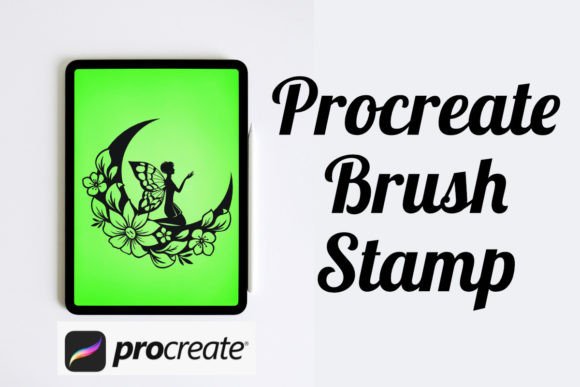
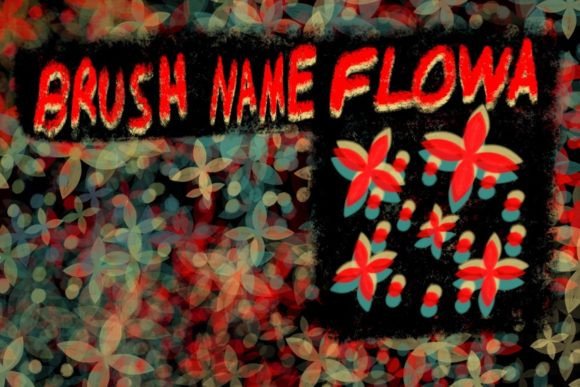
This group frequently explores niche categories, such as a Flower brush for procreate. Imagine a user who loves botanical illustrations but lacks the patience to paint every petal individually. A high-quality flower brush allows them to stamp intricate floral patterns with a single tap, adding depth and detail to their compositions quickly. For hobbyists, the joy often comes from experimenting with different textures and seeing how new tools inspire fresh ideas. They value variety and the fun of discovery over strict efficiency.
Evaluating Quality and Value
When searching for the perfect tool, several key factors come into play. Cost is an obvious consideration, but it should not be the only one. Free brushes can be exceptional, offering incredible value for those on a budget. However, paid packs often come with better documentation, regular updates, and customer support. The real value lies in the quality of the engine behind the brush.
Reliability is another critical metric. A brush that glitches, lags, or behaves unpredictably under pressure can ruin a workflow. Users should test brushes on different layers and zoom levels to ensure stability. Furthermore, flexibility is essential. The best brushes allow for customization. Even if a preset looks great, having the ability to tweak the size, opacity, or color dynamics ensures the tool adapts to the artist's evolving style.
Practical Examples Across Use Cases
- Marketers and Bloggers: These users need clean, vector-like brushes for creating infographics and social media headers. They prioritize clarity and scalability over artistic texture. A sharp, anti-aliased pen is often more valuable than a messy watercolor wash.
- Small Business Owners: Entrepreneurs using Procreate to design logos or product mockups need precision. They might look for brushes that simulate fabric textures or packaging materials to present realistic concepts to clients.
- Educators: Teachers using tablets in the classroom require intuitive brushes that students can grasp quickly. They often favor large, bold strokes that are visible on projected screens and easy to manipulate.
Finding Your Perfect Match
Ultimately, the decision to adopt a specific Brush for Procreate depends on aligning the tool with your personal goals. If you are looking to master traditional painting techniques digitally, focus on brushes that mimic real-world media. If your goal is rapid prototyping or graphic design, prioritize speed and precision. There is no single "best" brush for everyone; there is only the best brush for your current project.
Take the time to experiment. Download free samples, join community forums, and observe how other artists utilize their tools. Whether you are drawn to the organic chaos of a nature-inspired set or the crisp lines of a technical drawing pack, the right tool will feel like an extension of your hand. By understanding the diverse landscape of digital brushes, you unlock the full potential of your creativity, turning simple strokes into compelling visual stories.