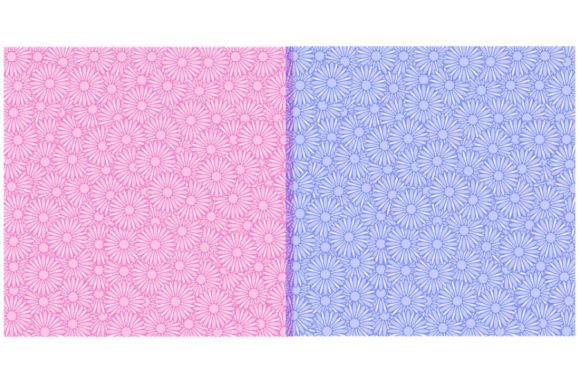
Brush 17: The Essential Tool for Digital Creators
In the vast ecosystem of digital art, a single brush can often define the texture, mood, and professional quality of an entire project. Brush 17 has emerged as a significant resource for artists seeking that specific edge in their workflow. Whether you are a freelancer trying to meet a tight deadline or a hobbyist looking to refine your personal style, understanding how to leverage this tool correctly is paramount. Many creators dive into downloading new assets without fully grasping what they are acquiring, leading to frustration with compatibility or unexpected limitations. This guide aims to clarify exactly what Brush 17 offers, highlight common pitfalls, and ensure you get the most value from your investment.
Understanding the Value of Brush 17
At its core, Brush 17 represents a curated collection designed to enhance digital painting and illustration workflows. It is not merely a generic set of strokes but a specialized asset intended to streamline the creative process. When paired with high-quality reference materials, such as the included high-resolution JPG, it becomes a comprehensive kit for both learning and execution. The inclusion of a .ABR file ensures compatibility with industry-standard software like Adobe Photoshop, allowing for immediate integration into existing projects. For professionals, this means less time configuring settings and more time focusing on composition and color theory.
The appeal of Brush 17 lies in its versatility. It caters to a wide demographic, from marketing teams needing consistent branding assets to educators demonstrating techniques in a classroom setting. However, the true value is unlocked only when the user understands the technical specifications and artistic intent behind the brush. Without this context, even the best tools can feel underwhelming or difficult to use effectively.
Common Mistakes When Acquiring Digital Brushes
One of the most frequent errors creators make is assuming that all brush files are created equal. Downloading a brush pack without verifying the file format can lead to immediate roadblocks. While Brush 17 provides a standard .ABR file, some users attempt to install it in software that requires different extensions or older versions of the application. This oversight results in wasted time troubleshooting rather than creating. Always confirm that your software version supports the latest brush formats before proceeding with any download.
Another significant misunderstanding involves the scope of the package. Some buyers expect a massive library containing hundreds of variations, while others receive a focused, high-quality set. Brush 17 is designed for precision, not volume. Expecting it to replace an entire custom library can lead to disappointment. Instead, view it as a targeted solution for specific textures or effects that you currently lack. This shift in expectation changes the experience from one of scarcity to one of strategic enhancement.
Overlooking the High-Resolution Reference Image
A critical component often ignored is the accompanying high-resolution JPG file. Many users treat this image as a simple preview and discard it after installation. In reality, this file serves as a vital reference for understanding the brush's behavior, stroke dynamics, and intended usage. By studying the high-res example, you can see how pressure sensitivity affects opacity and flow, which is information you cannot glean from the brush icon alone. Ignoring this visual guide means missing out on the educational aspect of the product, potentially limiting your ability to replicate the desired effect.
Optimizing Your Workflow with Brush 17
To avoid inefficiency, it is essential to integrate Brush 17 thoughtfully into your existing toolkit. Do not simply dump the new brushes into your default folder without organization. Create a dedicated subfolder within your brush panel labeled clearly, perhaps "Brush 17 Collection." This practice prevents clutter and ensures you can quickly locate the tool when inspiration strikes. Disorganized libraries are a primary cause of creative stagnation, as searching for the right tool breaks your flow state.
Furthermore, take the time to customize the settings immediately upon installation. Every artist works differently; a brush that feels perfect to one person might be too stiff or too soft for another. Adjust the size jitter, shape dynamics, and smoothing settings to match your personal touch. This customization step transforms a generic asset into a personalized instrument, significantly boosting your efficiency and satisfaction with the final output.
Evaluating Quality Before Commitment
Before making a decision to use or purchase similar assets, always evaluate the source and the deliverables. Check if the package includes clear documentation or tutorials. A reputable creator will provide guidance on how to maximize the potential of their work. If the listing for Brush 17 lacks these details, proceed with caution. Reliable resources prioritize user success and offer support or examples that demonstrate the brush in action across different scenarios.
Consider also the long-term utility of the asset. Will Brush 17 remain relevant as your skills evolve? Tools that focus on fundamental textures and versatile strokes tend to have a longer lifespan than those relying on fleeting trends. Investing in timeless, high-quality brushes ensures that your initial cost yields returns over years of projects, rather than becoming obsolete after a single campaign.
Practical Steps for Better Results
Adopting a methodical approach to using new digital assets can dramatically improve your outcomes. Start by testing Brush 17 on a separate layer with a neutral background. This allows you to observe the raw stroke characteristics without interference from complex compositions. Experiment with different tablet pressures and angles to understand the full range of motion the brush supports. This hands-on exploration builds muscle memory and confidence, reducing the learning curve when you apply it to real client work or personal pieces.
If you are working in a team environment, share the .ABR file and the high-resolution JPG with your colleagues to ensure consistency. Standardized tools help maintain a cohesive visual language across all marketing materials, blog graphics, or design presentations. This alignment is crucial for small business owners and entrepreneurs who rely on a strong brand identity. Consistency in texture and style communicates professionalism and attention to detail to your audience.
Final Considerations for Smart Choices
Choosing the right digital tools is about more than just finding a pretty stroke; it is about selecting assets that align with your goals and technical capabilities. Brush 17 offers a robust solution for those willing to engage with it properly. By avoiding the trap of hasty downloads, organizing your workspace, and utilizing the provided reference materials, you can elevate your creative output significantly.
Remember that the best tool is the one you know how to use effectively. Take the time to learn the nuances of your brushes, and do not hesitate to adjust settings until they feel like an extension of your hand. With the right mindset and preparation, Brush 17 can become a cornerstone of your digital artistry, helping you produce work that is both technically sound and visually compelling.